

-
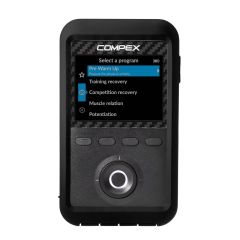
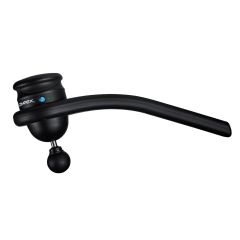
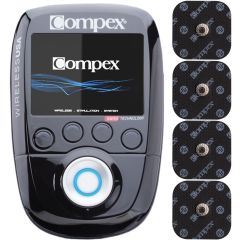 Special Price $499.99 Regular Price $599.99On Sale 17% Off Save $100.00Free ShippingFDA 510(k) cleared wireless muscle stim device designed to give maximum mobility while utilizing each of the 10 Compex programs. The programs can help enhance your performance, speed up recovery, and even manage pain with TENS.
**Delivery requires signature
-
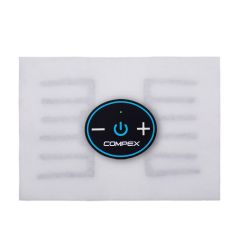
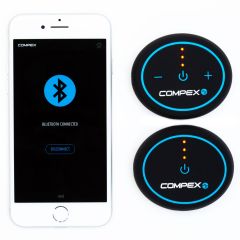 Special Price $199.99 Regular Price $249.99On Sale 20% Off Save $50.00FREE ShippingWireless, mobile, smart-stim device. The Compex Mini Wireless can take your training to the next level in the palm of your hand. Connecting to your smartphone, the Compex Mini Wireless FDA-510(k) cleared electric muscle stim device and TENS machine is designed to help you tackle your warm-up, training, recovery, and pain management, whether on the go, gym or home.
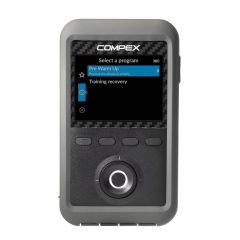
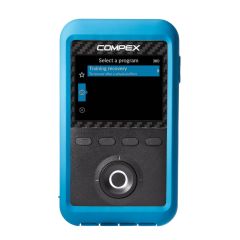
Use Compex to
relieve
pain
Use Compex to
increase
strength
Use Compex to
recover
faster

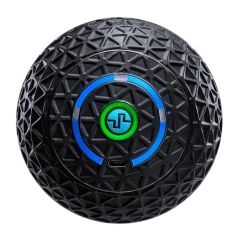
For over 30 years Compex has been a global leader in muscle stim technology. Our products are beneficial for muscle recovery, injury prevention, pain management and intense training programs. We offer the best in Electric Muscle Stimulators (EMS), Electrodes, and EMS Accessories. Electrostimulation allows you to naturally reap the benefits of improved stamina, quick recovery, as well as increased blood circulation, strength and muscle volume. It's the perfect complement to any existing sports training regimen. From seasoned professionals to weekend warriors, benefits can be found by incorporating Compex into any training regiment. Learn more about how our devices work and the results you could see.
#FeelNextLevel